From Pollution Control to Green Innovation: The Upgrade Path of Environmental Protection Processes in Mold Steel Production
Against the backdrop of carbon neutrality, environmental supervision is becoming increasingly stringent, and the mold steel industry, once labeled as "high-energy consumption, high-emission, and high-pollution", is ushering in an inflection point of green transformation. For practitioners in the industrial chain, the upgrading of environmental protection processes has become a core necessity for enterprises to operate in compliance and seize the market.
Traditional mold steel production relies on high-pollution and high-energy-consuming processes, and nearly 30% of small and medium-sized manufacturers have been eliminated due to failure to meet environmental standards. Combining industry cases and technological breakthroughs, this article sorts out the core upgrading directions to provide practical references for peers.
I. Smelting Process: Dual Breakthroughs in Low-Carbon Efficiency, Quality Improvement and Consumption Reduction
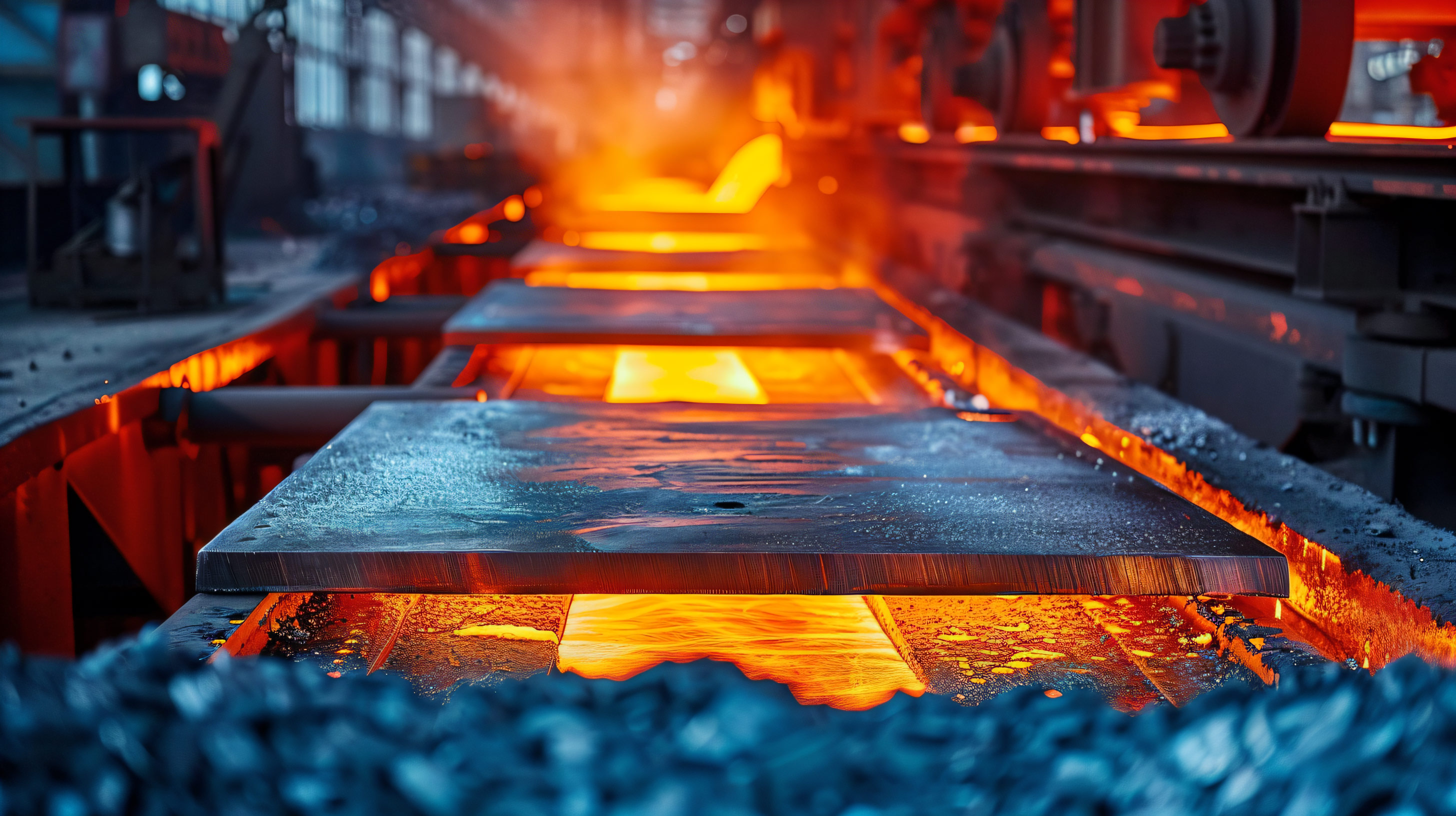
Smelting is the core energy consumption and pollution node in mold steel production, and the key focus of upgrading is on process and equipment optimization. The High-efficiency Continuous Casting and Rolling (HSCR) process has replaced traditional die casting, integrating the entire production process, increasing the yield by about 10%, while reducing energy consumption, reducing molten steel impurities, and improving product quality.
The intermediate alloy nitrogen fixation technology solves the pollution problem of traditional nitrogen protection and improves the purity of mold steel; the PM23 powder metallurgy process avoids smelting defects, reduces material waste, and its recyclability further reduces environmental burden, becoming an important direction for green smelting.
II. Waste Treatment: Circular Utilization, Achieving Cost Reduction and Carbon Emission Reduction
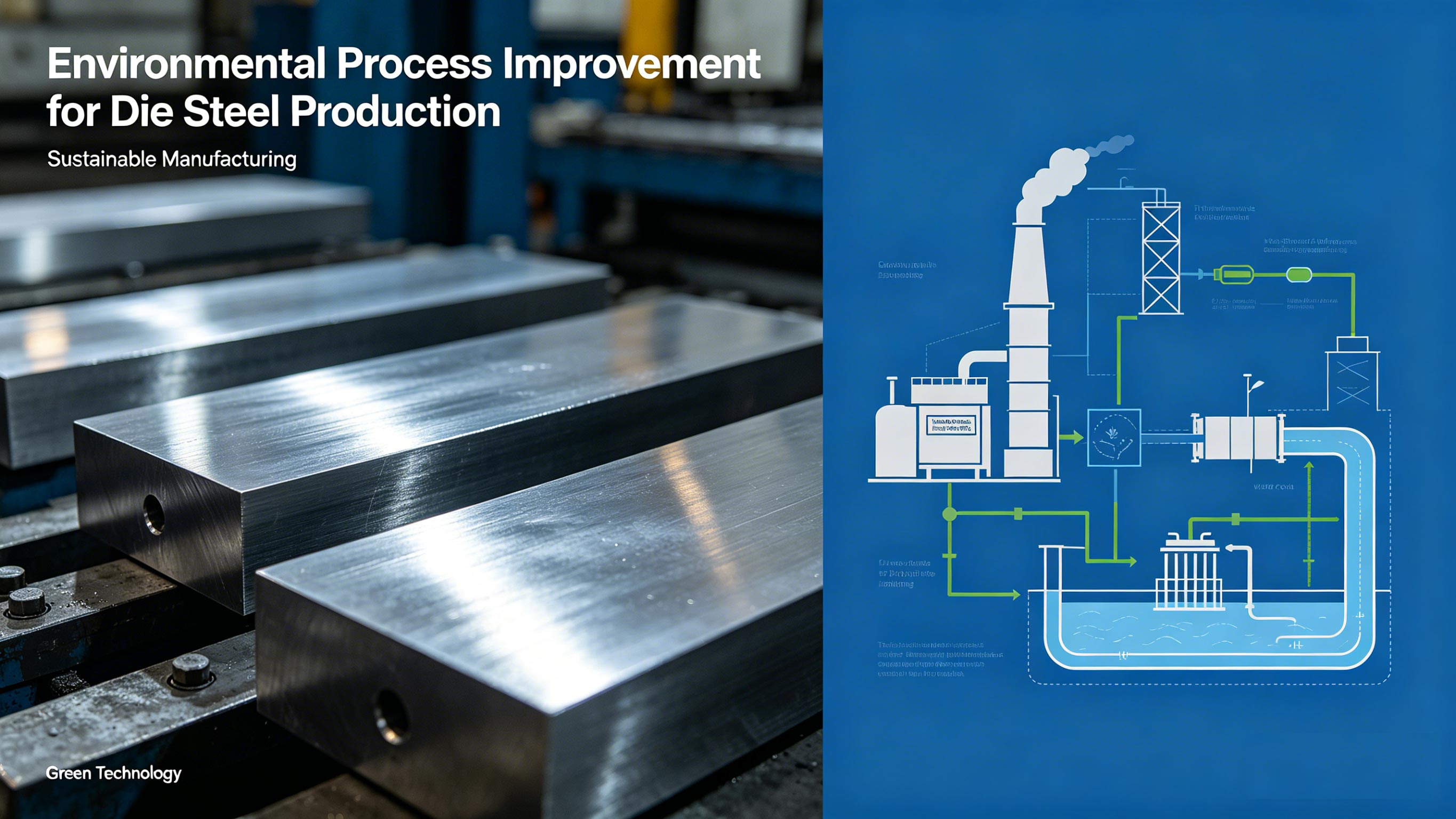
The environmental protection upgrade of mold steel has gone beyond simple compliance with emission standards, with the core goal of realizing circular utilization of waste. For waste gas, a "multi-stage purification + waste heat recovery" system is adopted to ensure that harmful gases meet emission standards and waste heat is reused; waste water is recycled in a closed loop after targeted treatment to recover useful components; scrap steel is re-smelted after pretreatment, and the performance of recycled steel is close to that of primary steel, meeting the needs of mid-to-high-end molds.
III. Post-Processing Technology: Green Substitution, Full Coverage of Clean Production
High-pollution processes are abandoned in the post-processing link. Laser and plasma cleaning technologies are adopted for surface treatment, which requires no chemical reagents, is clean and non-damaging; the heat treatment process is optimized, reducing energy consumption by 15%-20%, and environmentally friendly quenching media are used to reduce soil and water pollution from the source.
Conclusion: Green Transformation is Inevitable and Achievable
The upgrading of environmental protection processes for mold steel is a full-process systematic project that requires enterprises to increase R&D investment and the entire industrial chain to work together. Practitioners should take the initiative to embrace transformation, promote the industry towards low-carbon and high-quality development, and achieve a win-win situation between industry and environmental protection.
Chinese Mold Steel Exports: Surging Demand in Southeast Asia & Unmatched Competitive Edge
Steelmaking Process: Key Differences Between EAF and ESR
Related Article