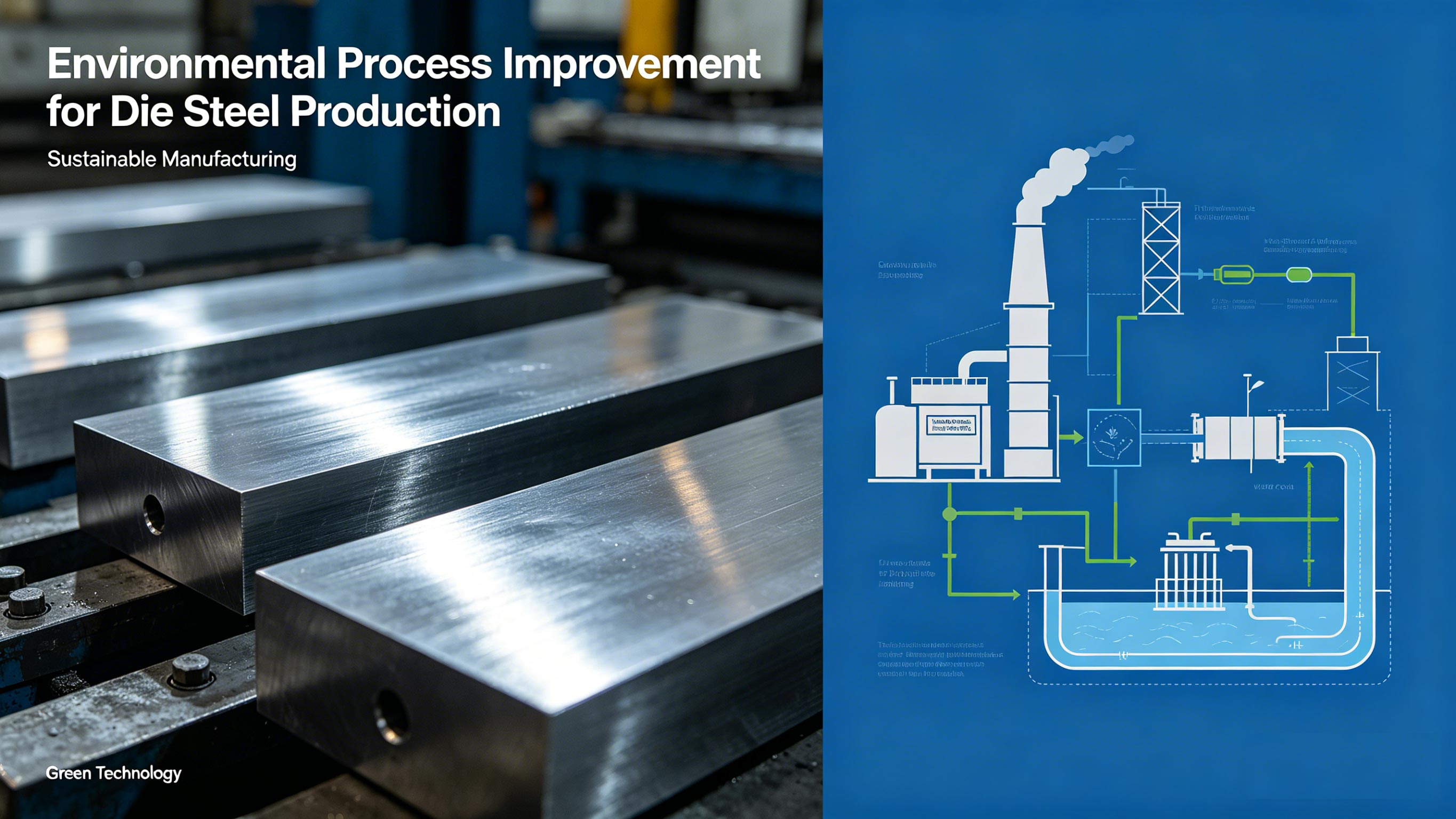
Breathe Life into Your Products: 3 Steps to Find Your Perfect Mold Steel
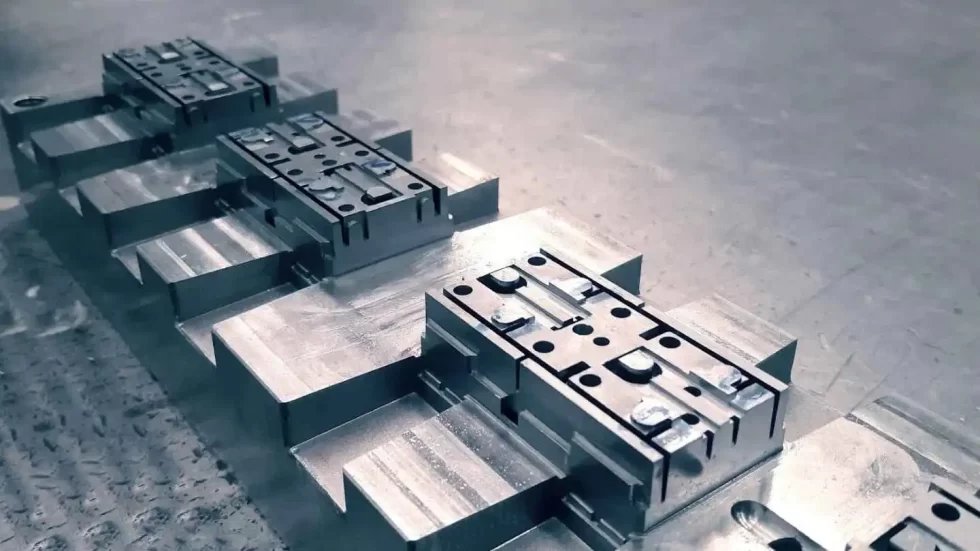
In the world of manufacturing, the mold is the undisputed "unsung hero." It determines a product's precision, appearance, and lifespan. And the soul of any mold lies in its core material—the mold steel. The right steel unlocks peak efficiency; the wrong choice can lead to failure.
Faced with a dizzying array of options like P20, 718, H13, S136… have you ever felt lost? Don't worry. The selection process doesn't have to be a mystery. Just follow these three steps to cut through the confusion and find the ideal "industrial tool" for your needs.
Step 1: Define Your Needs – What Challenges Will Your Mold Face?
This is the foundation. Start by carefully considering these core questions:
What material will you be molding?
Plastic? Is it generic PP/ABS, or corrosive PVC/flame-retardant materials? Or high-gloss, mirror-finish parts?
Metal? Is it aluminum, zinc alloy, or ferrous metals like steel?
What is the expected mold life?
Is it for short-run prototyping (<100k cycles), long-term production (>500k cycles), or ultra-high volume (>1 million cycles)?
What are the requirements for precision and surface finish?
Does it require a high-quality mirror polish? Must the product surface be absolutely flawless?
What is your budget?
Is the priority top-tier performance regardless of cost, or the best value for money?
Remember: There is no "best" steel, only the "most suitable" steel for you.
Step 2: Understand the Properties – Speaking the Language of Steel
The properties of mold steel are like members of a team, each with their own strengths. Based on your needs from Step 1, you must find the optimal balance of these four key properties:
Wear Resistance - The Key to Mold Longevity
Its Role: Resists abrasive wear from plastic or metal flow, ensuring the mold maintains its shape over long periods.
High-Demand Scenarios: Plastics with fillers like fiberglass or minerals; die casting of ferrous metals.
Representative Steels: High-hardness, high-carbon steels like SKD11, DC53.
Corrosion Resistance - The Guardian of Mirror Finish & Purity
Its Role: Resists erosion from corrosive gases and materials, preventing rust and preserving the mirror finish.
High-Demand Scenarios: PVC, flame-retardant plastics, medical products, food packaging, high-gloss molds.
Representative Steels: Martensitic stainless steels like S136, 420.
Toughness / Crack Resistance - The Warrior Against Impact & Stress
Its Role: Withstands high impact forces and thermal stress to prevent cracking and chipping.
High-Demand Scenarios: Molds with complex structures; hot work molds (e.g., die casting); large molds.
Representative Steels: Medium-carbon alloy steels like H13 (the king of die casting), S7.
Polishability ✨ - The Artist of Perfect Surfaces
Its Role: Can be polished to a mirror-like finish, directly impacting the product's visual quality.
High-Demand Scenarios: Optical lenses, transparent products, mobile phone casings, high-end appliance panels.
Representative Steels: Steels with uniform and pure composition, like S136, NAK80 (pre-hardened mirror steel).
Step 3: Practical Matching – Find Your Perfect Fit
Now, let's connect your needs with the properties. Here’s how to choose for common scenarios:
Scenario A: General Purpose Plastic Molds, Medium Volume, Cost-Effective
Needs: Molding PP, ABS, etc.; life expectancy of 300k-500k cycles.
Key Property: Good all-round performance, cost is a priority.
Recommended Choice: P20 / 718 Series. The most widely used pre-hardened plastic mold steel, offering excellent value and ready-to-use convenience.
Scenario B: High-Gloss, Corrosion-Resistant Plastic Molds
Needs: Molding transparent PC, PVC, flame-retardant materials, or medical products. Requires a superior mirror finish and anti-rust properties.
Key Properties: Corrosion Resistance + High Polishability.
Recommended Choice: S136, 420 Series. The standard for stainless mold steels, they maintain a mirror finish for longer and are easy to maintain.
Scenario C: Aluminum Die Casting Molds
Needs: Producing aluminum alloy parts, requiring resistance to repeated impact from molten metal.
Key Properties: High Toughness + Thermal Fatigue Resistance (resists cracking from thermal cycling).
Recommended Choice: H13. The industry standard for die casting, maintaining excellent strength and toughness at high temperatures.
Scenario D: High-Strength, Long-Life Precision Stamping Dies
Needs: Blanking hard materials like silicon steel sheets or stainless steel.
Key Properties: High Wear Resistance + Good Toughness.
Recommended Choice: SKD11, DC53. These are stars in cold work tooling, known for exceptional wear resistance and hardness.
Selecting the correct steel grade is only half the battle. A reliable material source and precise heat treatment are equally critical. Source from reputable suppliers and partner with professional heat-treating facilities to unlock 100% of the steel's potential.
May every mold you create, fortified by the right choice, be indestructible and help your products shine in the marketplace!
CBAM: The Green Storm Reshaping Global Steel Trade – How Chinese Enterprises Can Navigate the New Era
From Quantity to Quality: Breakthrough in China's High-End Continuous Casting Technology to Reshape Steel Import-Export Landscape
Related Article