Advantages of 1.2379 Tool Steel in the Cold-Working Mold Industry
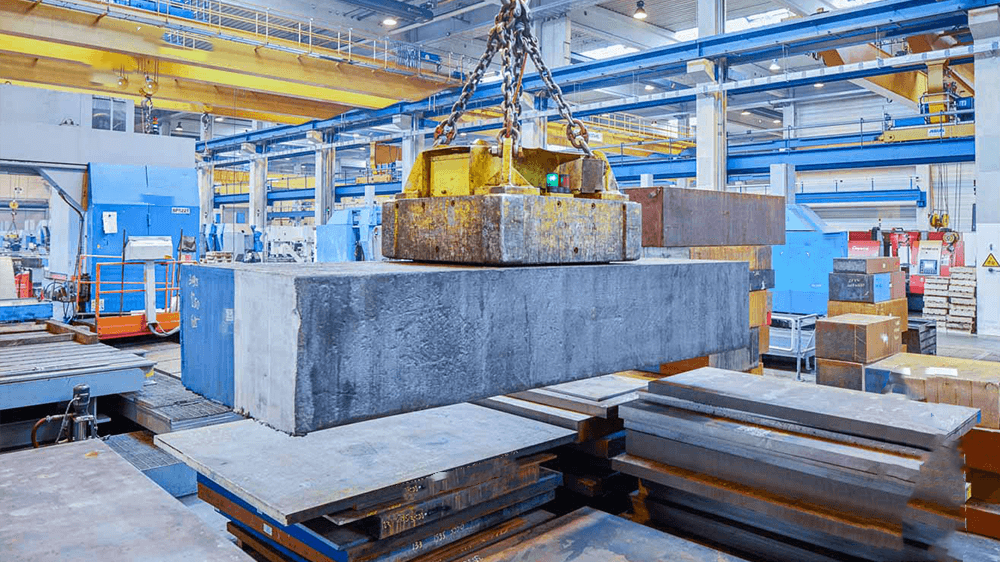
1.2379 tool steel is the ideal material for manufacturing cold-working molds and plays a vital role in industrial production.
With high carbon and chromium content, 1.2379 tool steel, also known as D2 steel, is the top choice for producing high-quality molds. UTSTEEL has prepared a summary of the key characteristics and advantages of this material for mold production. Read on to learn more:
Characteristics of 1.2379 Tool Steel
1.2379 tool steel offers excellent hardness, cutting performance, and wear resistance.
Its chemical composition includes a high proportion of carbon and chromium, along with adequate amounts of molybdenum, cobalt, and other elements, giving it a hardness that can reach 62-64 HRC. This enables 1.2379 tool steel to withstand significant impacts and pressure, experiencing less wear during use, and providing greater stability and durability for molds.
Moreover, 1.2379 steel has good hardenability and heat resistance, performing well in high-temperature and high-stress environments, and offering good corrosion resistance and resistance to many chemical agents.
Because of these characteristics, 1.2379 tool steel is widely used in stamping dies, extrusion dies, cutting tools, cold-working dies, and other applications.
Advantages of 1.2379 Tool Steel in the Cold-Working Mold Industry
1. High Hardness and Wear Resistance
1.2379 tool steel offers excellent hardness and wear resistance, with hardness reaching 62-64 HRC. This allows it to withstand significant impacts and pressure, maintaining the stability and longevity of the mold.
Its resistance minimizes wear during use, ensuring precise processing dimensions and increasing production efficiency.
These characteristics make 1.2379 steel particularly suitable for molds that require frequent cold-working or extrusion processing.
2. Excellent Cutting Performance
1.2379 steel demonstrates excellent cutting performance during processing.
With high cutting hardness, it maintains tool sharpness and stability, preventing tool wear and breakage. This allows for high precision and surface quality in the production of complex molds, enhancing mold processing efficiency and product quality.
Additionally, this cutting performance simplifies the processing of 1.2379 steel, reducing processing difficulty and cost, saving time and costs for mold manufacturers.
3. Ease of Processing
Although 1.2379 tool steel is a high-carbon, high-alloy steel, its good machinability allows manufacturers to easily process it into complex-shaped molds through various manufacturing processes.
It has high machinability, reducing processing difficulty. It also has good plasticity, meeting the requirements for various mold shapes and sizes. This ease of processing provides greater design flexibility and manufacturing possibilities for mold production.
Various processing methods can be used, such as milling, turning, and grinding, to meet the processing needs of different molds.
4. Adaptability to Heat Treatment
1.2379 tool steel has good adaptability to heat treatment and can achieve ideal structure and performance through appropriate heat treatment processes.
During heat treatment, the steel's structure can be modified by adjusting the temperature and holding time to achieve the desired hardness and toughness. This further enhances the mold's lifespan, wear resistance, and stability.
Through heat treatment, 1.2379 tool steel can attain different levels of hardness and strength to meet the specific requirements of different molds during use.
Overall, the advantages of 1.2379 tool steel in the cold-working mold industry are evident. Its high hardness, wear resistance, cutting performance, ease of processing, and adaptability to heat treatment make it the top choice for manufacturing high-quality, high-precision cold-working molds.
As the mold manufacturing industry continues to develop, 1.2379 steel will continue to play an important role, bringing innovation and advancement to the sector.
1.2083 Mold Steel: A Key Player in Precision Mold Manufacturing
S50C Carbon Steel Bar : A Reliable Choice for Mold Base Making
Related Article