
Argentinian gas pipeline to require additional steel pipes and plates
2023-07-28
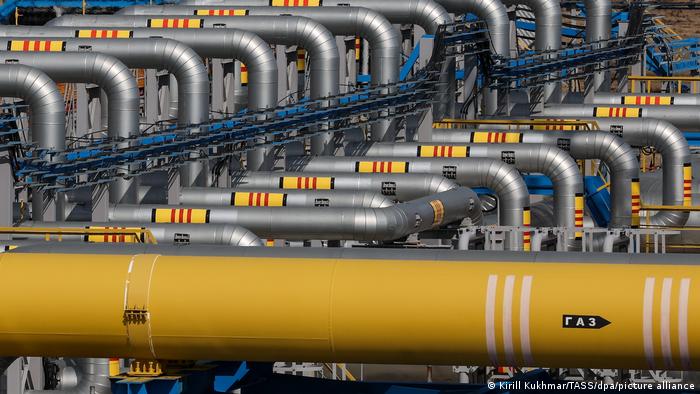
After concluding the first stretch of the Nestor Kirchner gas pipeline, with 573 kilometer in length, linking the VacaMuerta gas fields to the city of Buenos Aires, the government of Argentina will need another 530 kilometers of pipelines in six different stretches to explore the full potential of the gas reserves.
Such additional pipelines will require an estimated 240,000 mt of steel plates for their construction, which added to ancillary equipment, port infrastructure and liquefaction plants would require investments estimated at $40 billion.
Tenaris produced the pipes for the first stretch of the Nestor Kirchner pipeline, with plates supplied by Usiminas.
With the first stretch, Argentina will soon return to self-sufficiency in the production of gas, while with the full development of the project, Argentina will be capable to turn its current annual energy deficit of $5.0 billion into an annual surplus of $20 billion.
Companies from Malaysia, China and Russia have recently shown interest in investing in the project.
Such additional pipelines will require an estimated 240,000 mt of steel plates for their construction, which added to ancillary equipment, port infrastructure and liquefaction plants would require investments estimated at $40 billion.
Tenaris produced the pipes for the first stretch of the Nestor Kirchner pipeline, with plates supplied by Usiminas.
With the first stretch, Argentina will soon return to self-sufficiency in the production of gas, while with the full development of the project, Argentina will be capable to turn its current annual energy deficit of $5.0 billion into an annual surplus of $20 billion.
Companies from Malaysia, China and Russia have recently shown interest in investing in the project.
China Baowu wants new models of cooperation with Vale
Chinese iron ore futures fall; steel extends losses
Related Article

The global mold steel landscape is shifting rapidly, and Chinese manufacturers are emerging as key players in international markets—especially in Southeast Asia, where demand is booming. This article will detail the latest export data, the explosive growth of demand in Southeast Asia, and the core reasons why Chinese mold steel has become the first choice for global buyers.
Chinese Mold Steel Exports: Surging Demand in Southeast Asia & Unmatched Competitive Edge
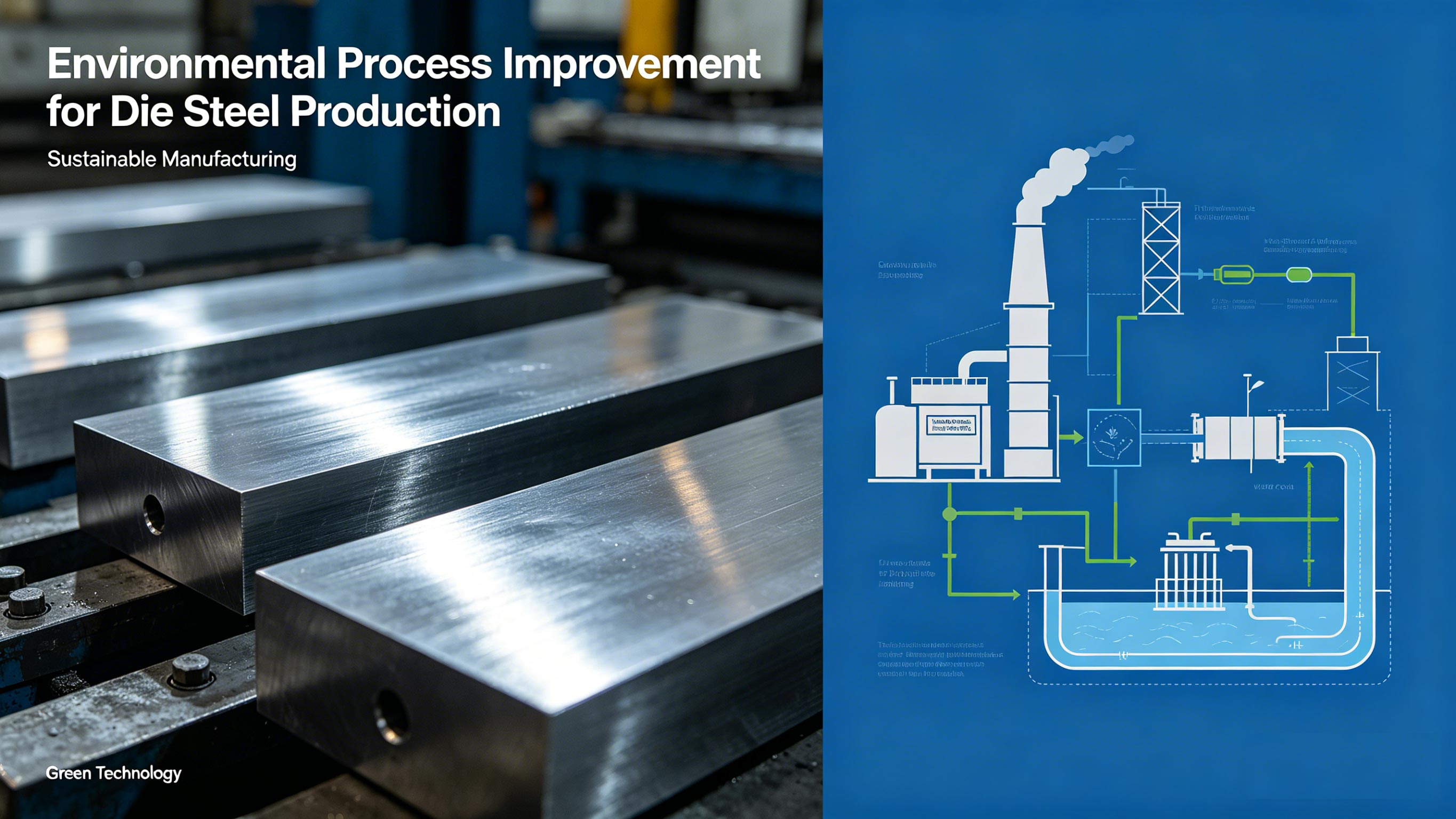
Against the backdrop of carbon neutrality, environmental supervision is becoming increasingly stringent, and the mold steel industry, once labeled as "high-energy consumption, high-emission, and high-pollution", is ushering in an inflection point of green transformation. For practitioners in the industrial chain, the upgrading of environmental protection processes has become a core necessity for enterprises to operate in compliance and seize the market.
From Pollution Control to Green Innovation: The Upgrade Path of Environmental Protection Processes in Mold Steel Production

