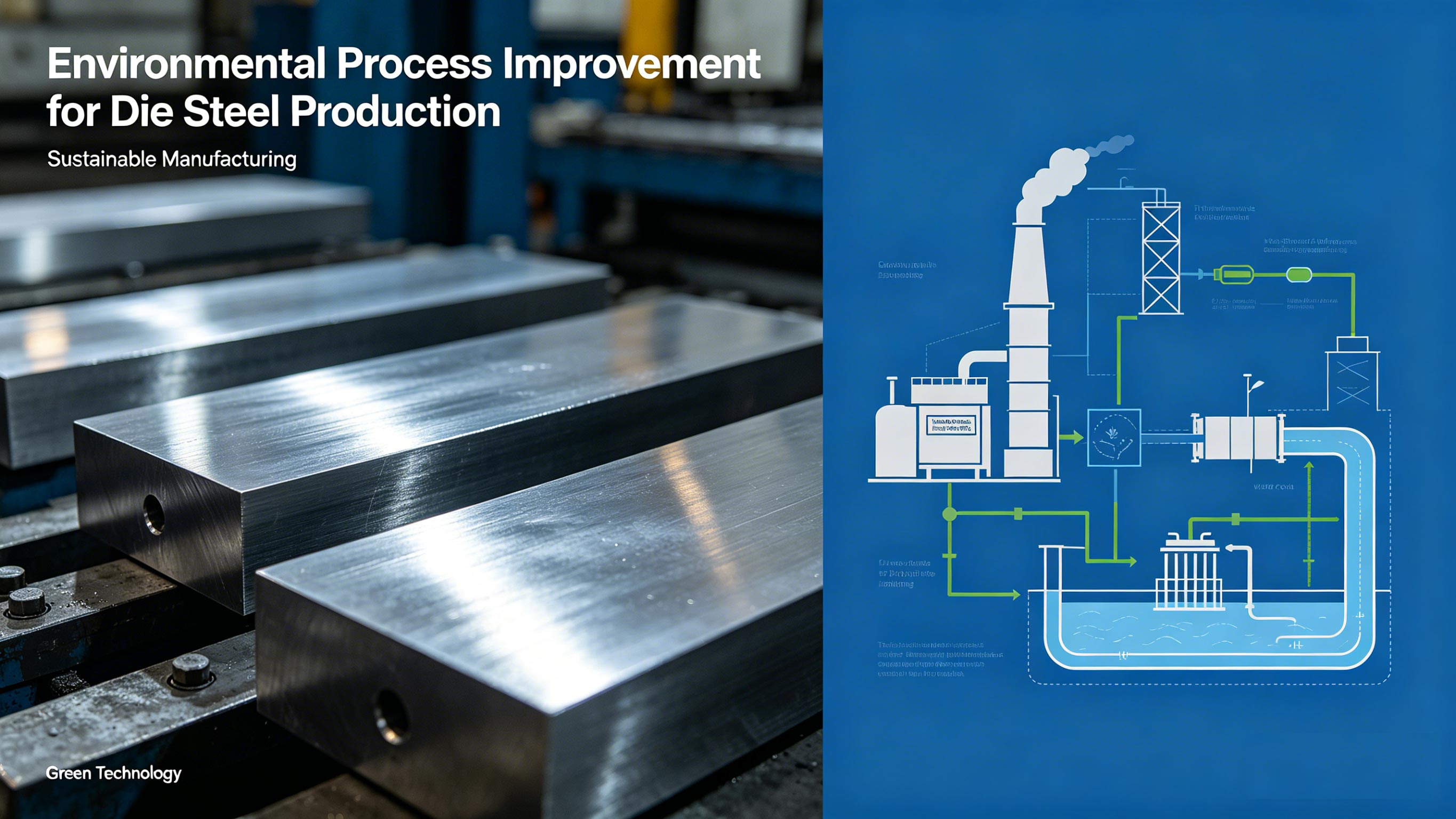
Die Steel Market: The Cornerstone of Manufacturing, Embracing High-End Transformation
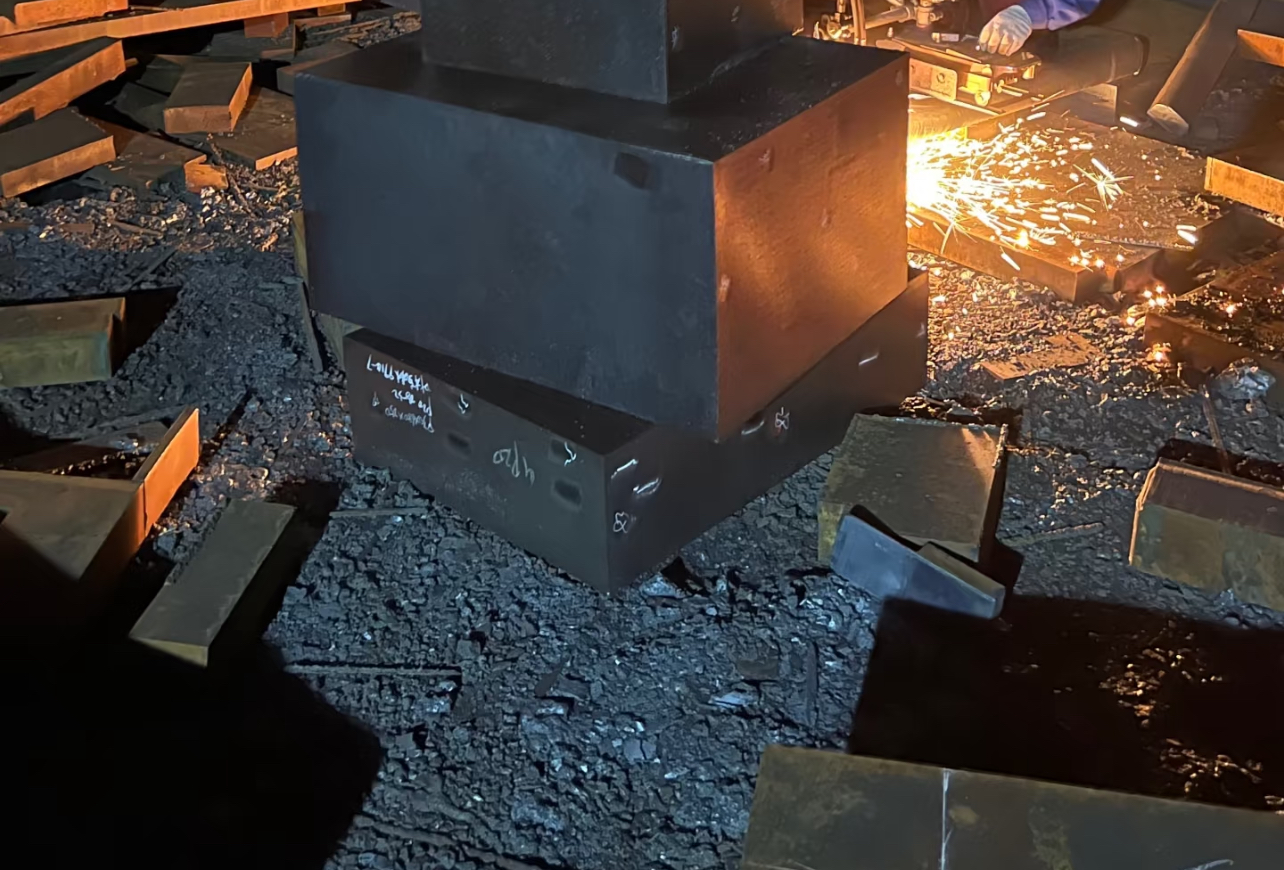
Die steel, the indispensable "foundation of modern industry," directly determines the lifespan, precision, and final product quality of molds. From automotive body panels to precision electronic components, from home appliance casings to medical devices, die steel underpins the vast production systems of modern industry. Currently, this market is undergoing profound changes, presenting both opportunities and challenges.
I. Market Status: Steady Demand, High-End Trend Prominent
Strong Core Drivers: As the global manufacturing hub, China's sustained development in industries like automotive (especially lightweight components and large die-castings for new energy vehicles - NEVs), 3C electronics (mobile phone, computer casings, and precision structural parts), home appliances, and medical devices forms a solid foundation for die steel demand. The recent promotion of integrated die-casting technology for NEVs has directly spurred a surge in demand for large-sized, high-performance hot work tool steel.
Continuous Market Expansion: China has become the world's largest producer and consumer of die steel, commanding a significant market share. Despite global economic fluctuations, domestic manufacturing upgrades and demand from emerging sectors (like new energy, new material processing) ensure stable market growth.
Structural Upgrade Imperative: The market shows clear differentiation. Competition in low-to-mid-range general-purpose die steels (e.g., P20, 718) is fierce, squeezing profit margins. Conversely, demand for high-end, precision, long-life die steels (e.g., high-purity H13, corrosion-resistant mirror-finish plastic mold steels, special hot work steels for large die-casting) is robust. However, domestic supply capabilities still lag, with partial reliance on imports (e.g., brands like Hitachi Metals, ASSAB, Groeditz).
II. Core Driving Factors:
Manufacturing Upgrade Wave: The "Made in China 2025" strategy propels manufacturing towards high-quality, high-precision, and high-efficiency transformation. This exponentially increases performance requirements for molds, directly driving demand for high-performance die steel.
Accelerated End-Industry Evolution:
NEV Boom: Lightweighting demands drive the need for large, complex die-casting molds, requiring die steels with exceptional high-temperature strength, thermal fatigue resistance, and thermal conductivity (e.g., premium modified H13 steels).
3C Electronics Product Refresh Cycles: Thinner, more complex, and aesthetically demanding products necessitate plastic mold steels with excellent mirror polishability, high hardness, and corrosion resistance.
High-End Packaging & Medical Devices: Stringent requirements for hygiene, precision, and surface quality promote the use of special stainless tool steels.
Cost Reduction & Efficiency Pressure: Mold costs represent a significant portion of total production costs. High-end die steels offering longer lifespans and less maintenance significantly reduce per-unit costs and enhance competitiveness.
Technology Supplement (3D Printing): 3D printing advances in manufacturing complex conformal cooling mold inserts offer a complement to traditional die steel machining (especially for optimizing cooling efficiency), though currently acting as a supplement rather than a replacement.
III. Key Challenges:
Raw Material Price Volatility: Dramatic fluctuations in the prices of alloying elements like nickel, molybdenum, and vanadium severely impact die steel production cost control and pricing stability.
High-End Technical Barriers: Producing high-end die steel requires extremely advanced technologies in purity control, homogeneity, and microstructure regulation during smelting, processing, and heat treatment. Some domestic enterprises still face gaps in stability and consistency compared to international top-tier levels.
Homogeneous Competition & Price Wars: Relative overcapacity in the low-to-mid-range market fuels intense price competition, squeezing corporate profits and hindering R&D investment.
Increasing Environmental Pressure: Stricter environmental regulations in the steel industry raise compliance costs for small and medium-sized die steel producers, accelerating industry consolidation.
IV. Future Trends:
High-End & Customization Dominate: The market focus will continue shifting towards die steels with high purity, superior isotropy, and special properties (e.g., high toughness, high wear resistance, corrosion resistance). Customized solutions tailored to specific applications (e.g., mega die-casting, ultra-precision optical components) will become a core competitive advantage.
Material R&D & Process Innovation: Wider application of powder metallurgy (PM) tool steels, novel high-alloy steels, and surface enhancement technologies (e.g., PVD/CVD coatings) will drive the pursuit of ultimate performance.
Industry Chain Integration & Service Extension: Leading companies will transition from pure material suppliers to comprehensive solution providers offering "Material + Heat Treatment + Processing Services + Mold Design Support," thereby enhancing added value.
Sustainable Manufacturing & Circular Economy: Recycling and reuse technologies for scrap die steel will gain importance, reducing resource consumption and costs.
Regional Cluster Development: Industrial agglomeration effects will strengthen further in manufacturing-intensive regions like the Pearl River Delta and Yangtze River Delta, fostering well-developed supporting ecosystems.
Conclusion:
The die steel market offers a microcosm of China's manufacturing transformation and upgrade. While the fundamental demand base remains solid, high-end specialization, differentiation, and service orientation are the future themes. Only by breaking through core technical bottlenecks, enhancing product quality and value-added, and deepening industry chain collaboration can enterprises stand out in intense competition, providing a robust material foundation for China's journey from a "manufacturing giant" to a "manufacturing power." Market opportunities belong to pioneers who embrace innovation, focus on quality, and champion change.
What is Plastic Mold Steel? – The Invisible Force Shaping Modern Industry
In the era of overcapacity, how can the die steel industry break through and be reborn? ——Strategic leap from the red ocean to the blue ocean
Related Article