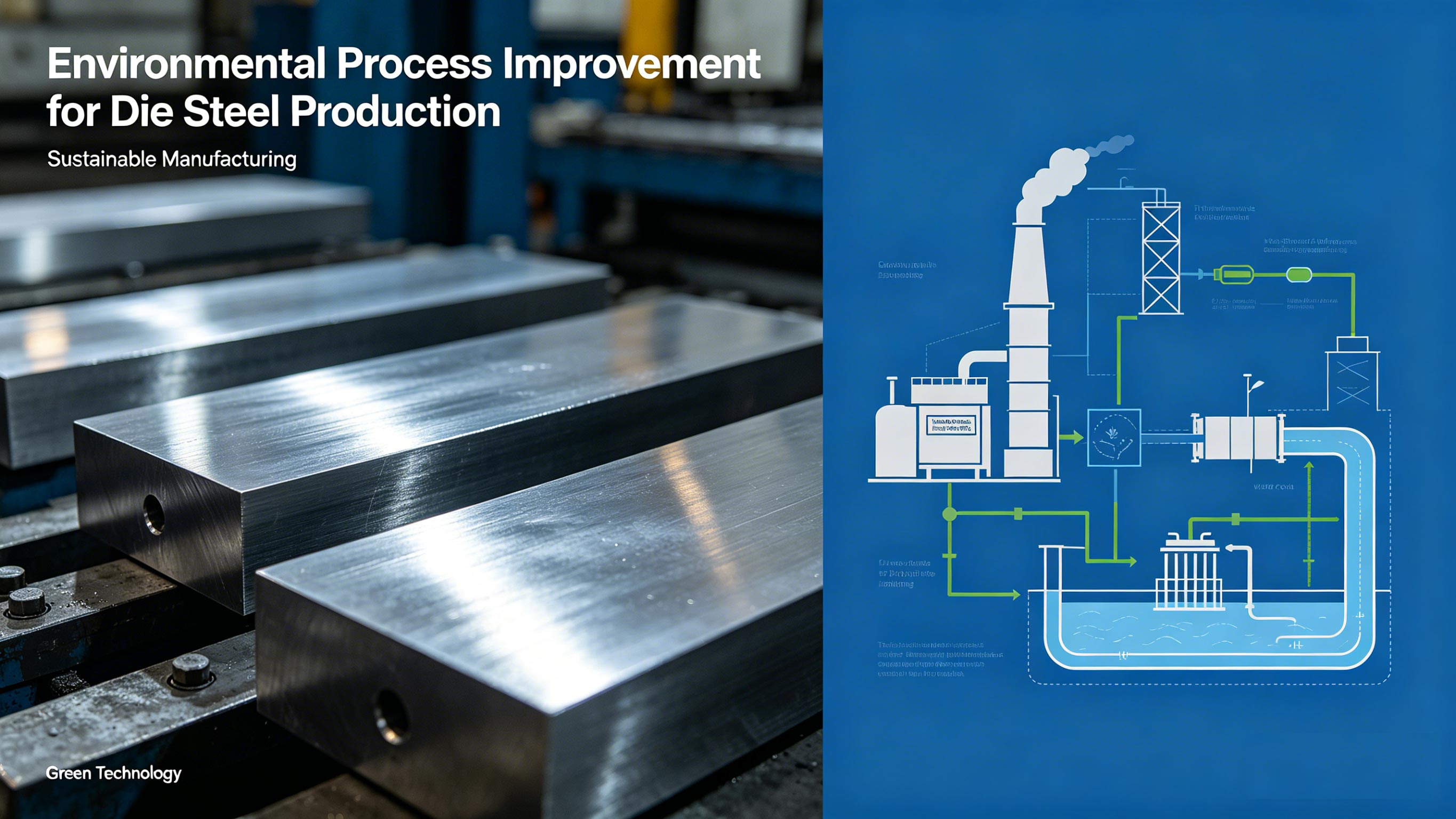
Hot Work Die Steel: A Core Material for High-End Manufacturing and Market Analysis
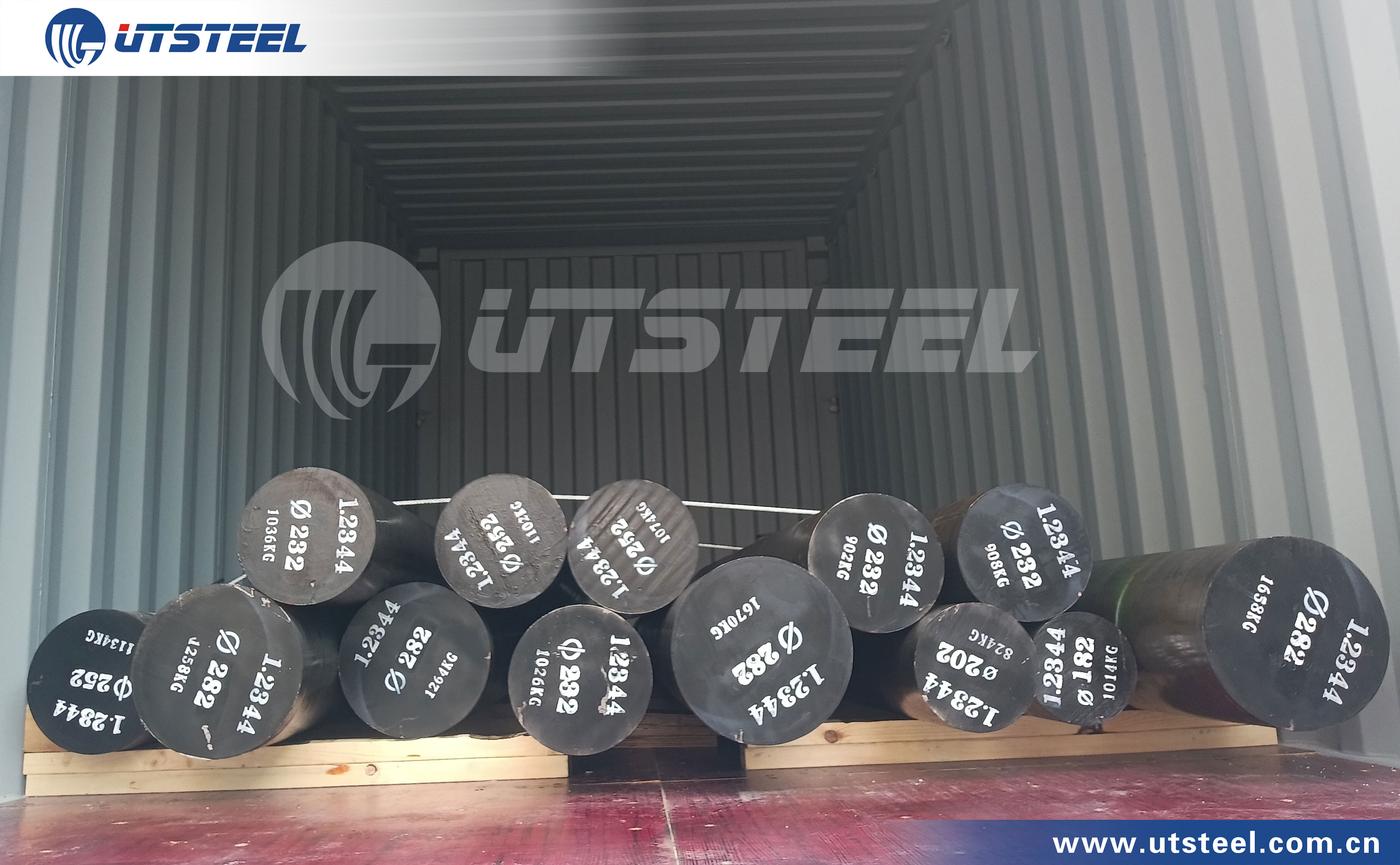
Hot work die steel is an indispensable key material in modern manufacturing, playing a particularly important role in high-temperature, high-pressure, and high-wear conditions. It offers excellent thermal fatigue resistance, high-temperature strength, toughness, and thermal wear resistance, enabling it to meet the demands of demanding industrial environments. This article will explore the main application industries for hot work die steel and its market distribution characteristics.
Major Application Industries for Hot Work Die Steel
Due to its advantageous performance, hot work die steel is widely used in various industrial sectors, including:
Die Casting
During the die-casting process of alloys such as aluminum, magnesium, and zinc, dies must withstand repeated impact and cooling from hot molten metal. Hot work die steels such as 1.2344 (H13) are the preferred materials for die casting dies due to their excellent thermal fatigue resistance and high-temperature strength.
Forging
Hot forging dies are subjected to extreme impact and wear at high temperatures, requiring materials with excellent toughness, high-temperature hardness, and thermal crack resistance. Hot work die steel meets these requirements and is widely used in the manufacture of forging dies in the automotive, aerospace, and other fields. Hot Extrusion Industry
During the hot extrusion molding process for aluminum profiles, copper materials, and other materials, molds are subjected to high temperatures and high pressures for extended periods. Hot work die steel's high-temperature strength and corrosion resistance make it an ideal material for extrusion dies.
Plastic Injection Molding Industry
Especially in the injection molding of engineering plastics and high-temperature plastics, molds must withstand high temperatures and pressures. Hot work die steel offers excellent polishability, heat resistance, and wear resistance, ensuring long mold life and high precision.
Precision Manufacturing and High-End Equipment
As the manufacturing industry evolves toward high precision and high efficiency, the application of hot work die steel in precision forging, superplastic forming, glass molds, and other fields is becoming increasingly widespread.
Hot Work Die Steel Market Distribution
The hot work die steel market distribution system is a multi-tiered, global supply chain system, primarily encompassing the following links:
Raw Material Production
Globally renowned specialty steel mills (such as those in Europe, Japan, and North America) produce high-quality hot work die steel billets. These materials undergo rigorous metallurgical control and heat treatment to ensure their performance meets international standards (such as DIN, ASTM, and JIS). Distribution and Processing
Steel enters the market through agents and distributors. Many suppliers also offer customized services such as cutting, heat treatment, and finishing to meet customer requirements for different shapes, sizes, and performance.
End-User Procurement
Moldmakers, component manufacturers, and large-scale fabricators purchase hot work die steel based on their specific needs. These procurements typically prioritize material performance certifications, lead times, and the supplier's technical support capabilities.
Globalization and Regional Markets
The hot work die steel market is characterized by a distinct globalization trend. Europe, the United States, and Japan dominate the high-end material market, while China is both a major producer and one of the largest consumer markets. With manufacturing upgrades, demand for high-quality die steel in the Asian market is rapidly growing.
Challenges and Developments in the Supply Chain
In recent years, the global supply chain has faced challenges such as volatile raw material prices and rising logistics costs. At the same time, digital transformation is transforming traditional procurement models, with more companies leveraging online platforms and technical collaborations to achieve efficient procurement and supply.
Conclusion
As a core material in high-end manufacturing, the performance of hot work die steel directly impacts die life, production efficiency, and product quality. With the continuous advancement of industrial technology, market demand for high-performance and highly reliable die steel will continue to grow. Understanding its application areas and market circulation characteristics will help companies better grasp supply chain resources and enhance manufacturing competitiveness.
What are the Differences Between Hot Rolled Steels and Forged Steels?
Differences Between Cold Work Tool Steel and Hot Work Tool Steel: Properties, Applications, and Material Selection Guide
Related Article